
Be yourself; Everyone else is already taken.
— Oscar Wilde.
This is the first post on my new blog. I’m just getting this new blog going, so stay tuned for more. Subscribe below to get notified when I post new updates.
Be yourself; Everyone else is already taken.
— Oscar Wilde.
This is the first post on my new blog. I’m just getting this new blog going, so stay tuned for more. Subscribe below to get notified when I post new updates.
Mixing music without prior knowledge about instruments, editing, and mixing would result in bad mixes. Mixing audio at a home studio offers aspiring producers limited resources and spaces to achieve studio-like mixes. As a chunk of mixing is trial and error, budding music producers ought to keep mixing to learn and achieve more pleasing outcomes.

DJs and music producers use different headphones and speakers to test out their mixes. Listen to the track using different headphones and speakers in order to hear every nuance and detail, says DJ-producer James Haidak. Most listeners don’t use high-end headphones, making it a good idea to test out the track using a mid-range stereo or a pair of earbuds and edit the track according to the level of the average listener.

When mixing, pan the instruments. Instead of cramping every detail in the center, pan the instruments to the left and to the right to create the ideal soundstage. Subtle panning enables the listener to hear different instruments. Use reverb sparingly. Reverb works wonders in altering the soundstage, but it can drown out vocals. Its job is to create an illusion of a great recording studio and never to take away detail, definition, precision, and tone.
James Haidak suggests using a high-pass filter, but within limits. Listeners who use headphones may find the pumping bass pleasing, yet lose details and nuances especially in the lower end of the mix. Applying enough high-pass filter cuts or lessens particular low frequencies, allowing higher frequencies to pass through, giving the mix a little more clarity.
James Haidak is an up-and-coming music producer and club DJ who juggles between Amsterdam and Koh Phangan, Thailand. To read more from James Haidak, head over to this blog.
James Haidak believes that deciding to become a DJ and learning the basics is one thing, but learning how to set a venue’s mood with your sound and programming is something else. Although there are no strict DJing rules, some helpful tips and tricks can improve your live sets. Please continue reading to know more!
Practice
Like in other things, James Haidak believes that practice is also a vital task in DJing. It helps you enhance your skills and make much better DJ sets than a free-form approach to the craft. Your music will seem halfhearted when you only have a vague idea of what you want to play on a live set.
As you develop your skills further, you will discover that accomplished groove-riders and turntablists spend countless hours perfecting their sets. Although James Haidak does not recommend pre-planning an entire live set, you should at least know your options well before you show up to perform at the venue. Prepare tracks that mix well and make different playlists of those tunes for future use.
Play different styles
Although professional DJs do not necessarily have to take requests from the audience, James Haidak believes being able to play more than one specific music style can help gain more performance opportunities. Try to find tracks from your collection that will suit different types of clubs, events, and crowds.
You do not necessarily have to divide your collection by genre. But James Haidak believes it is best if you can categorize them by mood and energy. If you practice enough, organizing your music and playing different styles will help you find selections more quickly and perform sets with a more natural flow.
Plan sets of three
When planning live sets, you may sometimes feel overwhelmed because you have a wide variety of options to play for only a limited time. James Haidak discovered this tip from other accomplished DJs and found it to be helpful in planning sets.
First, find three tracks that mix well at a time. These three records should sound good when you play them at once, or they can at least transition well into one another. Next, find other sets of three until you eventually have a collection. Organize them into a flow of slow to fast or mellow to banging, so you can easily plan them for your sets.
European-based DJ James Haidak has held a lifelong fascination with sound. He has even taken his time to share this passion with readers everywhere. In today’s blog, he looks at sound design.

According to many industry veterans, studying sound design opens the door to various careers, from creating soundtracks for films to designing sound effects for video games to laying down tracks for the hottest pop sensations in the market.
However, James Haidak is quick to remind everyone that before one makes a living in sound design, they must first have a commanding grasp of the basics.
Take, for instance, the foley. What may seem inconsequential is actually one of the most popular ways to record sounds today. Sound designers also know how to utilize real-world sounds and manipulate them through DAW while using different synthesizers (both hardware and software). These days, most sound design students work on sounds using virtual synthesizers. Some of these synthesizers include basic waveshapes, which can become the building block of any sound recording. Sound designers have many tools at their disposal, and they know how to use each one.

Another fundamental skill in sound design revolves around how different wavetables work. This is why sound designers continue to study the synthesizer’s capabilities and know what kinds of sounds it can produce. It takes many hours just studying the wide variety of sounds the synthesizer can make on its own.
And these are just some of the basics. James Haidak tells everyone that if they’re interested in sound design, there are countless web pages on the internet that provide tutorials.
James Haidak is a DJ from Amsterdam whose signature sound is a unique and distinct blend of thumping deep house, ‘90s-inspired techno, and electronica. For more about James and his passion for music, check out this page.
Musicians, instrumentalists, and music producers are required to have good, sharp ears that would help form sounds that people will recognize and love. Without the help of quality headphones, it would be difficult to hear sounds truthfully, which could potentially alter the signature or the quality of the symphony they want to achieve.
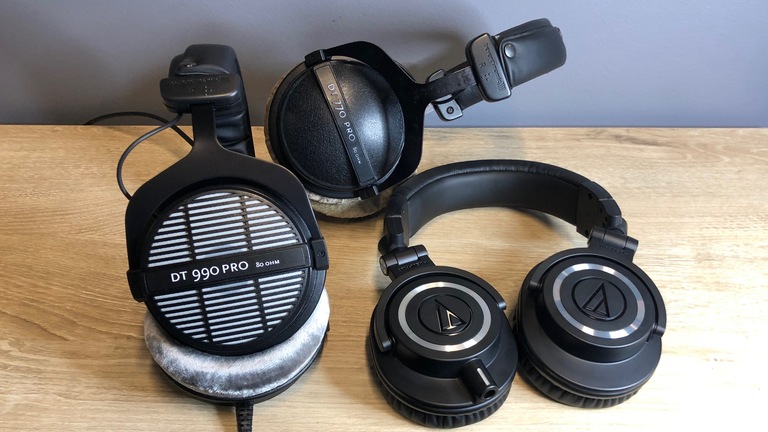
Any brand can say their headphones are made for the studio, but not all deliver the most honest sound a music producer craves, shares DJ-producer James Haidak. A proper pair of studio headphones offers isolation that is essential for recording. Isolation allows musicians, performers, and producers to hear sound as pure as it should. While noise can be cleaned out of a track, nothing beats clean recording.
Sonic neutrality is integral in producing sound that is unadulterated. A good pair of headphones ensures that the signatures fed to a producer’s ears have minimal coloration. Regardless of the sound quality a listener’s headphones generate, a music producer can rest easy knowing that the sound or music they produce has accurate frequency when they use top-notch headphones.
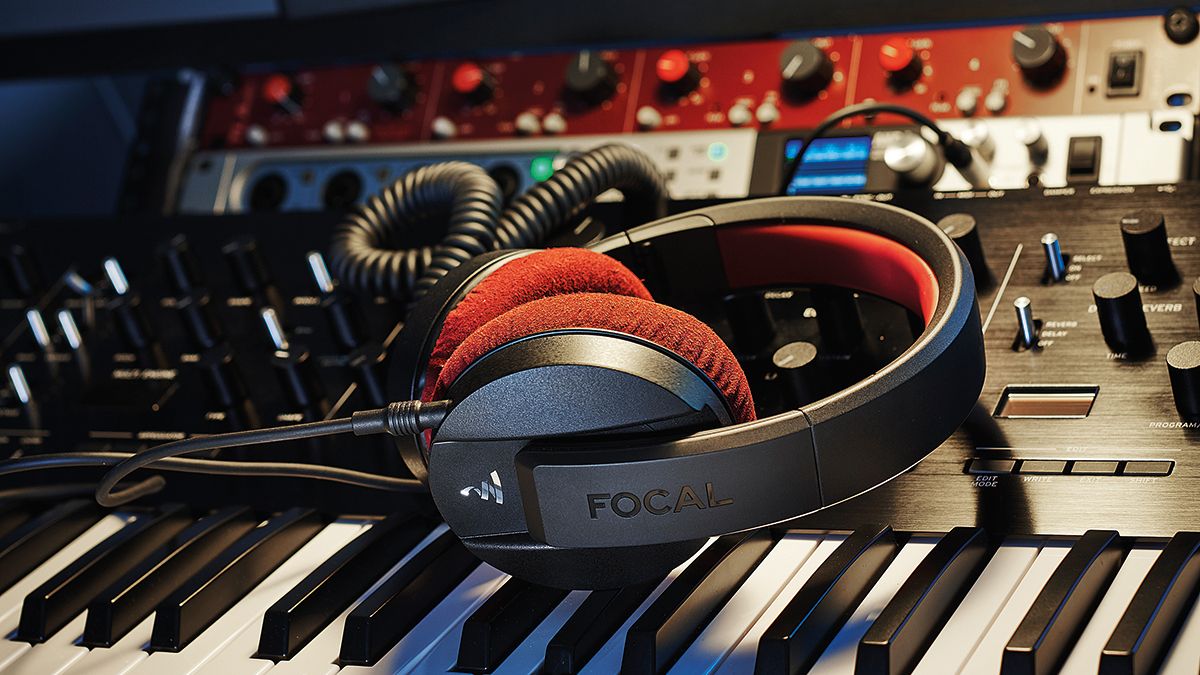
Most recording artists and producers carry their own trusty headphones for recording and mixing sessions. This only proves how much a good pair of headphones can be a dealbreaker during studio sessions, shares James Haidak. Studio headphones are generally made with durability in mind as a single recording session can last for hours on end. Anyone desiring to build a career in music production and performing must know the importance of proper headphones in their chosen line of work.
James Haidak is a respected DJ and up-and-coming music producer who frequents the club and festival circuits in Amsterdam and Koh Phangan, Thailand. For more updates from James Haidak, visit this page.
Discovering electronica at a very young age, James Haidak looks to French electronica duo Daft Punk as an inspiration. Known for their robotic helmets to conceal their faces, Daft Punk announced their breakup by posting a YouTube video titled “Epilogue” on February 22, 2021. Though no reasons were given, the split was later confirmed by their longtime publicist Katherine Frazier. Many were stunned. Another prominent group disbanding in the wake of the Covid-19 pandemic.
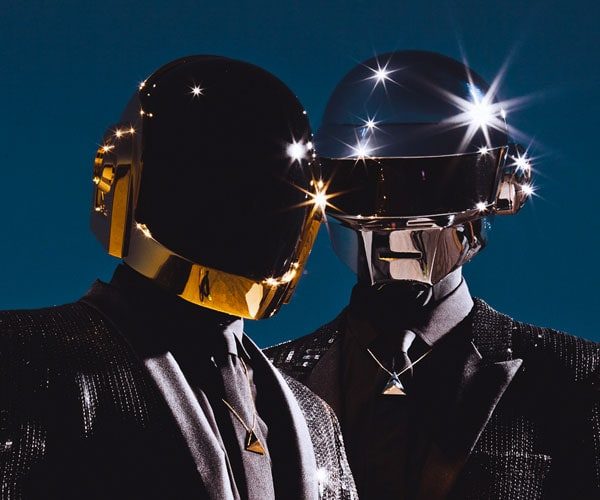
Starting out in the early ‘90s as a punk band named Darlin, Thomas Bangalter realized that their guitar-based music was “pretty average.” Darlin consisted of Bangalter on bass, Guy-Manuel de Homem-Christo on guitar, and another guitarist Laurent Brancowitz. They released two singles for a multi-track EP under Duophonic Records, a music label owned by UK band Stereolab. Darlin soon disbanded and Bangalter and de Homem-Christo parted ways with Brancowitz, who would later join Phoenix.
Dave Jennings of Melody Maker had previously dubbed Darlin as “a daft punky thrash.” This negative review would later inspire Bangalter and de Homem-Christo to christen their experimentation with synthesizers and drum machines as they craft a newfound sound for their next project as Daft Punk.

It was in 1997 when Daft Punk released their debut studio album Homework. The Village Voice praised the album for having “revived house music and departed from the Eurodance formula.” Since then, Daft Punk has released 3 major albums – 2001’s Discovery, 2005’s Human After All, and 2013’s Random Access Memories. Other major releases include a soundtrack to 2010’s Tron: Legacy, and 2 live albums – Alive 1997 & Alive 2007. They have already won major awards including Billboard Music Awards, Brit Awards, and the Grammys.
James Haidak is an up-and-coming DJ and music producer born in Washington DC. He is greatly influenced by late ‘90s techno, house, & electronica. For more on James and his music, you may visit this website.
Greatly influenced by electronica, DJ James Haidak is particularly interested in breakbeat. This groundbreaking music started in the early seventies, when DJ Kool Herc, a Jamaican immigrant in New York City, began innovating on soul and funk records in his block parties to dispel the negativity of the prevailing gang violence at the Bronx. Two other trends were borne out of this movement: hip-hop and sampling.
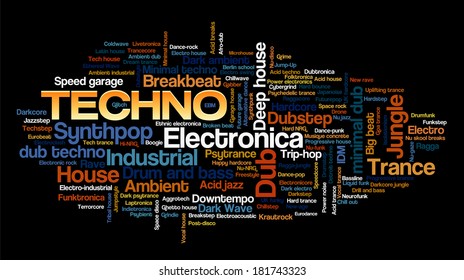
In this blog, James Haidak will try to explore some of the basics of breakbeat. But, before anything else, what is this so-called break? The break is generally defined in music as the instrumental portion that usually bridges or anticipates a newer song section. In breakbeat, that instrumental break (usually a percussion) is manipulated on the turntable to create an entirely new sound. This technique is called sampling.
Two 1969 recordings of the soul-funk era used in such experiments were James Brown’s “Funky Drummer” and The Winstons’ “Amen Brother.” Both have influenced not only hip-hop but also modern music by having two of the most iconic drum solos that clearly defined breakbeat. The “Funky Drummer” sample has been used by Public Enemy, N.W.A., LL Cool J, Run-DMC, and the Beastie Boys. Meanwhile, the “Amen, Brother” sample, popularly known as the “Amen break,” was first utilized in “King of the Beats” by Mantronix. The sample also became the driving rhythm behind N.W.A.’s Straight Outta Compton.

Aside from its inventor, DJ Kool Herc, breakbeat has other pioneers, such as Grandmaster Flash, whose “quick-mix theory” is a perfection of Herc’s technique that prolong the break by sampling two copies of the same record on two turntables, DJs Afrika Bambaataa, and Grand Wizard Theodore – the latter two both developing the style of Grandmaster Flash. Breakbeat became an essential feature in many genres of breaks music in the late 1980s. Among breakbeat categories popular in dance music at the time were: big beat, electro-funk, acid breaks, nu skool breaks, and Miami bass. A sub-genre called Florida breaks came out in the early-to-mid ’90s.
James Haidak is an up-and-coming DJ and music producer born in Washington DC. He is greatly influenced by late ’90s techno, house, and electronica. For more on James and his music, click here.

As an established DJ, James Haidak has been on a very long journey to where he is at in his career right now. With his experience, he shares his knowledge with those who might follow the same path. In this blog, he shares some music production techniques which he uses in his craft.
1. Reverse reverb
The reverse reverb, quite literally, refers to the reverb tail of any instrument or sound, in reverse. This method traces its roots to as far back as the music of the 1960s, but it has been a staple in modern music, especially in the DJing scene. As suggested by James Haidak, on your digital workstation (DAW), you simply have to pick out a vocal or instrumental track, reverse it, and add your favorite plug-in. This acts as a riser to the actual track if you mix it into the work properly.
2. Sidechain
In the actual production of the music, one of the most common challenges is frequency masking. This happens when two elements with different frequency ranges tend to clash with each other. Kick drums and basslines often cause this in electronic production. This can be fixed by adding a compression plug-in to the bass track and feeding the kick output into the sidechain detector. This should result in a pulsating effect between the two sounds.
3. Gated snare
?hei=455&resMode=sharp2)
Noise gates are likened to compressors, but they quiet signals that fall below a set threshold instead of quieting signals above a set threshold. Many guitarists often use noise gates to cut out the amplified fuzz between each strum. If you want to achieve that flashy ’80s energy in the snare sound, add a reverb with a decay time of 10 seconds or more to your snare, then sidechain the snare track to itself using the sidechain detector in the noise gate. This should result in a brighter and more percussive sound.
James Haidak is a DJ in the rave circuit in Amsterdam. He continues to engage with various groups in the scene, and he considers participation as a vital and vibrant part of electronic music culture. For more related reading, visit this page.
2020 is the year people learned to spend time to explore their hobbies and invest in them. Many aspiring music producers and DJs are on the lookout for better music production software and equipment, as newer technology means faster and more effective time on the studio.
The top input device to splurge money on is the Audio-Technica AT-LP60 Belt Driven Silver Turntable. With a switchable phonographic pre-amplifier and RCA cables, users and producers can hook up the turntable to their laptop, PC, and other devices. When it comes to software, Ableton LIVE makes the top of the list. According to James Haidak, the software is the best for individuals who are into music production and DJ-ing.
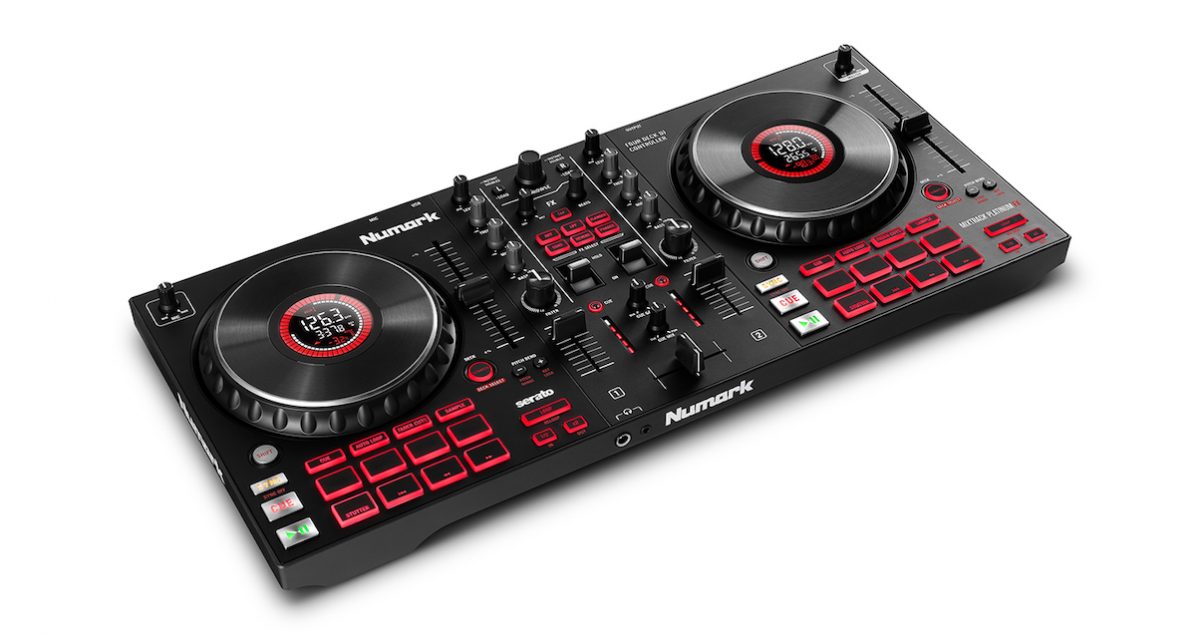
It will be a sin not to include Sony’s MDRZ67 Hi-Res Stereo Headphones on the list of music production equipment to cop next year. These headphones deliver incredible sound with comfort in mind, perfect for long nights at the studio. The Numark Platinum FX is an entry-level controller that operates mainly through software. It allows DJs to control four decks and is a definite bang for the buck.

One of the leaders in the system category, KRK makes its way to the list with the RP5G3 ROKIT 5 G3 5” 2-Way Powered Studio. For James Haidak, the speaker delivers a mighty combo of impeccable sound with its high-performance amplifier. Suitable for all kinds of music, the studio monitor is great for creating melodies and beats in the studio and rocking out performances with intimate crowds.
James Haidak is an up-and-coming DJ and producer based in Koh Phangan, Thailand and Amsterdam. His signature sound is distinctly influenced by deep house and electronica, but he likes to mix it up when he spins, covering more nuanced and pulsating grooves with synths, backbeats, and melodic ‘90s techno. For more updates from Mr. Haidak, visit this page.
Europe-based DJ James Haidak has experienced quite a reinvention of self these past few months. Due to restrictions brought about by the global health crisis, he has spent a lot of time honing his craft and learning more about music and everything in and around it. And he shares with readers everywhere all the helpful information he has picked up.

For today’s blog, James Haidak lists three of the best Bluetooth headphones that headphone collectors and wireless headphone enthusiasts will surely want to check out if they haven’t yet.
Sennheiser Momentum Wireless: The Sennheiser Momentum Wireless, a favorite of James Haidak, produces excellent sound. It also looks awesome, with its sleek and post-modernistic design. These headphones are also sturdy and will probably last owners for many years if they are properly taken care of.

Bose QuietComfort 35: Bose has been a force in the sound system industry for decades, and for a good reason. While it is primarily known for speakers, Bose’s headphones should never be overlooked. Its QuietComfort 35 is one of the best-reviewed Bluetooth headphones in the market today.
Bowers & Wilkins P7 WirelessMeant for lovers of bass, the Bowers & Wilkins P7 Wireless gives the heavy end some well-deserved emphasis. They are also lightweight but are geared more towards hip-hop and EDM, James Haidak adds.
James Haidak has played at festivals alongside names such as John Digweed, Nic Fanciulli, Stephan Bodzin, Reinier Zonneveld, Oliver Weiter, Henry Saiz, Kobosil, and many more. Read more about James by checking out this page.
As written in the scriptures, “There is nothing new under the sun,” and this particular idea of eschewing originality and using existing tracks as samples has become mainstream. Picking the right sample to highlight the flow in a track has become one of the primary skills of a DJ. In this blog post, DJ James Haidak will discuss how to pick tracks to sample and how you can fit them into the track you’re working on.

Before anything, you will need to listen to many different tracks to isolate a segment you want to sample. Once you zero in on one, you will have to understand the context that the particular plays around so you can properly use it when you lay it down onto your own track.
Once you’ve decided on the sample, you’ll have to isolate the particular segment of sound. You’ll have to monitor the envelope the sample comes wrapped in. This means you have to mind how the sample attacks and how the sample decays. From there, you’ll just start making adjustments.

Cleaning the track itself is just a step. As James Haidak notes, you will have to work and ensure that the sample harmonizes with the frequencies in your overall track. Check for tonality and how the sample blends with the rest of the sounds in your work. If the track is too soft that it gets buried by the rest of the sounds or it’s too distracting, then it might just not work at all. You can only work with the EQ of the track so much.
Crafting the initial blend is just another part of the process. Next, you’ll have to add a few more layers to make sure you’re making a hot track. When it all comes together, you need to sit down and make sure the pitch, tempo, and tune meet your ears’ standards.
A music producer since he was 16, James Haidak discovered his love for DJing and decided to do it full-time, traveling from one club in Europe to the next. Today, the James Haidak sound is finding its way into more and more club dance floors across the world. For related updates, click here.

 James Haidak